Looking around the hall at choir this week, I saw over 40 people singing with joy and energy and purpose, preparing for a performance at the Castlemaine State Festival later in 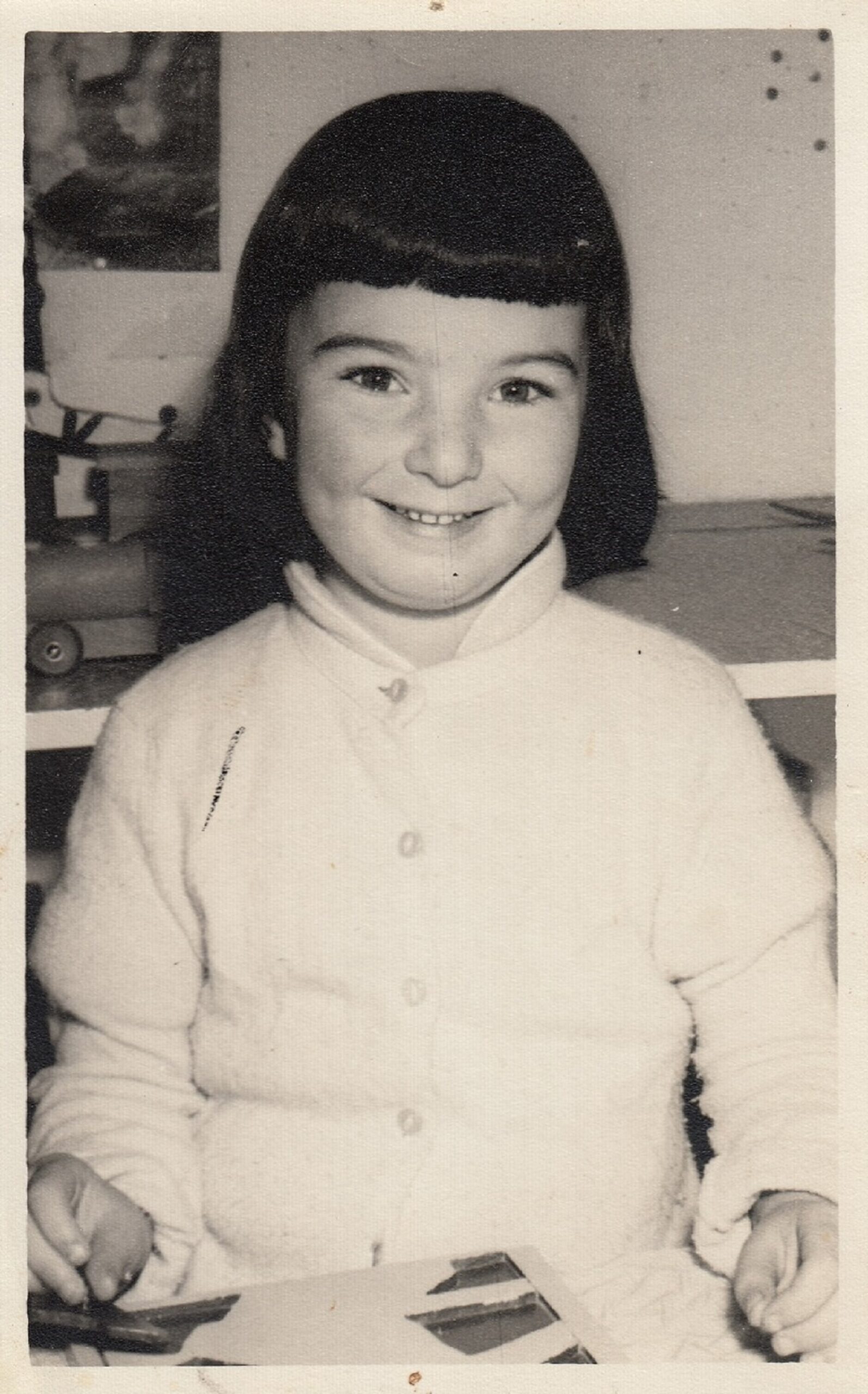 March. I’m a new member – it was only my second time – but I’ve known many of my fellow singers, at least by sight, for years. Some of them, for decades. And because I am such a superficial flibbertigibbert, instead of focusing on the music, I was wondering, how have they all got so old?
It wasn’t just the grey or white hair, the lined and fallen faces; it was the walkers and sticks and mobility scooters. Then, of course, reality hit. What did I mean, they? I am old too. Not properly ancient, but at 67, definitely on the way. It’s likely that many of the singers, just like me, don’t feel old. Inside, I range happily through former versions of myself. Early childhood was the best! Up to around 11, but then puberty changed everything, so I tend to skip adolescence because I don’t want to go back there. 35 to 45 seems to be the sweet spot at present. When my knees and back hurt, I am prehistoric – but when I am singing, I am ageless.
On to the book…
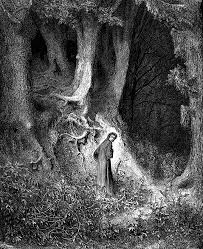 Life after the halfpoint has many challenges: loss of direction, physical decline, pain, redundancy, dissatisfaction, compromised authority, bereavement – and all endured in the long shadow of death. Regardless of what has been achieved in the first half of life, no matter how much money you have, or fame or knowledge or love, you will still be obliged, one day, to stand in Dante’s dark wood, uncertain, anxious, troubled, all to conscious of the shadowy depths that lie ahead.
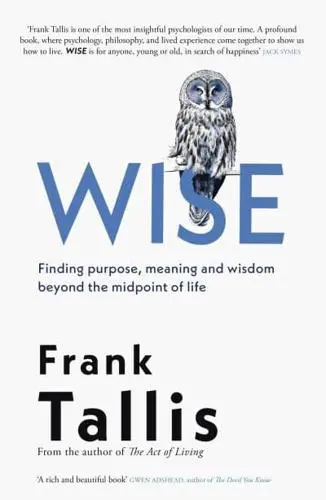
In Wise, Frank Tallis looks at ageing from a philosophical and psychological viewpoint. No prescriptions for diet and exercise here. He’s concerned with questions of ageing wisely; as his subtitle says, with finding purpose, wisdom and meaning beyond the midpoint of life. And he starts with Dante’s Inferno; ‘At one point, midway on our path in life, I found myself in a dark wood, the right way blurred and lost.’ The book is about finding ‘the right way’.
Tallis sees fear of death as a pervasive feature of our current Western worldview:
…the denial of death prevents engagement with reality and interferes with beneficial psychological adjustment. Immortality projects are obstacles, and should be abandoned.
 He suggests that instead of denial, we practice acceptance – and the rest of the book is about how to achieve this via a search for wisdom, which we can do in company with philosophers and psychologists, with recent research findings from neuroscience to back up some of the theories. The bits that have stuck are the images of be-togaed ancient Greek and Roman Stoics, and French Existentialists smoking Gauloises in cafes: Michel de Montaigne’s epiphany after a near-death experience; the early American psychologist William James’ pragmatic approach to spirituality; Carl Jung’s mystical exploration of dreams and archetypes.
Tallis covers a lot of ground in a relatively short book (226 pages); perhaps it’s more of an introduction to some of the ideas than an exploration. I think a more useful book about finding yourself in older age is Finding Meaning in the Second Half of Life by Jungian analyst James Hollis.