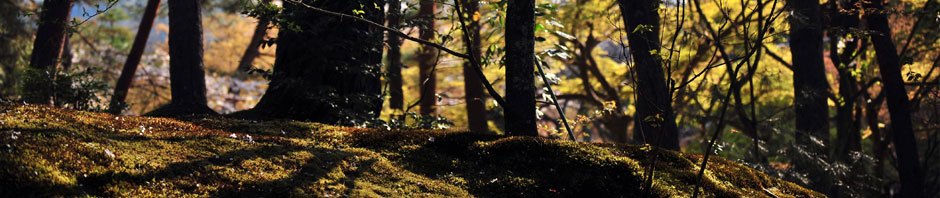
 Deep under the surface, a seam of coal has been burning for who knows how long. The colonists gave the mountain the banal name it goes by on the map (Burning Mountain), but it was burning long before they saw it. Standing there looking at the smoke drifting up from the invisible smoulder, it seems clear that this place of powerful, rather scary presence would always have been a site of story and meaning in Aboriginal cosmology.
What story? What meaning? Beyond the sketchy account on the tourist information board, I don’t know, and that feels right. It’s not my story, not my meaning, not my world. I don’t have to go under the surface of the smoking mountain to know there’s a world there. Running alongside the known, the familiar, is difference. I don’t want to erase it or make it mine. I don’t need to understand or come up with answers to unanswerable questions. I just need to stand back, as I’m standing back from this burning fissure in the earth, with respect.
When I first read Unsettled, I read quickly – as I do. Too quickly. As I do! I promised myself that I would read it again, and now I have, because it was last month’s Book Group pick. And one of the best discussions we have had all year. Most of our group commented on the gentle, curious and exploratory tone of the writing. How it felt like a personal story; how you could hear Kate Grenville’s voice talking to you, taking you along on her journey, her pilgrimage.
Many of our group are very well-informed about the history of Australian colonisation and Aboriginal dispossession. One of the aspects of the book they liked was the relatable experience of wondering and wandering over their family places. How do our own family histories sit in the big picture? A Jewish member talked about inherited trauma, the legacy of grief that comes with a whole people being likened to vermin, something to be removed and got rid of. We talked about how white, Anglo-Celtic, fifth or sixth generation Australians (like me) feel about this violent history compared to the waves of more recent arrivals – say, the post-war Greeks and Italians, the Vietnamese of the 1970’s, the Indians now. We talked about guilt and shame. About ‘what now?’ ‘What next?’
And several of us noted the beautiful, careful language she uses in describing the landscape, talking about country. We thought she seemed to be seeking to go deeper into looking at the land, beyond the superficial first glance, distinguishing more deeply the colours and textures of vegetation and landforms and rocks, the sensations and also the feelings she experiences. A slower, closer way of looking.
Earlier in the year, we took a drive to Warrnambool and stayed there for a few days. I’d intended to go to the cemetery to find some family graves, and also to a settlement a few kilometres out of town where family first lived when they arrived in Victoria. I didn’t – it was rainy – but I visited the local historical society’s rooms, where the volunteers immediately found records relating to that branch of the family. So in sunnier weather I will try again. A simple search tells me that the Gunditjmara and Kirrae Whurrong people were the traditional custodians of that country.
And though I’ve known this family story, from my maternal line, for a long time, I had never thought to find out. This was written by my mother, Helen Green, as told to her by her grandmother, Jessie North.
A family story tells how Elizabeth was left on her own with young Joseph while Joseph (her husband) and William drove by dray to Geelong to buy stores for the next three months. A party of Aboriginal people invaded her kitchen and took away young Joseph. Elizabeth was frightened but took comfort from remembering that she and Joseph had always been on good terms with them. It was even more reassuring that they had left one of their own small children with her. But as days passed Elizabeth grew more frightened. At last Joseph reappeared, happy and full of his adventures. Whilst he told his story to Elizabeth, the little Aboriginal boy slipped away. Elizabeth gathered from young Joseph that the Aboriginal men thought Joseph was not being taught the necessary skills of life in the bush. So they had undertaken the task, teaching him swimming, tracking, finding food and shelter. They had done this because Elizabeth and Joseph had shared food with them and had encouraged young Joseph to play with their children. Elizabeth was glad that she had not given way to panic but had gone about her chores and taken care of her young visitor. Joseph never forgot this strange experience of his youth and always spoke up for Aboriginal people and whenever he could helped them. He called them his brothers.
Elizabeth (Jeffcoat) is my great-great-great grandmother, and grandmother of Joseph (Jeffcoat North), the little boy. I hope this relatively benign story is true, however if you think about it it becomes more and more complicated because of course Joseph and Elizabeth were on Gunditjmara land. The Gunditjmara people seemed to be willing to share resources and skills…but were the Jeffcoats? Unsettled has made me ask new questions as I potter away at my family history.
I thought Unsettled was absolutely fantastic, one of the best books I read last year, and I still think about it often. I also read it twice (unusual for me) and I’m so glad it set off such a deep, thoughtful discussion.
Yes, it is really a gem. Kate Grenville came to Castlemaine Library theatre last year and it was good to see and hear her talk; it really feels as if she is there on the page.